Fox Fur: One Family, Many Different Materials
Fox fur is the largest family in
the Arctic Store taxonomy, but the word “fox” covers materials that can
look and behave very differently. In Russian furrier practice, fox and
Arctic fox — лиса and песец — are distinct working
materials even though English trade language often groups both under
“fox.”
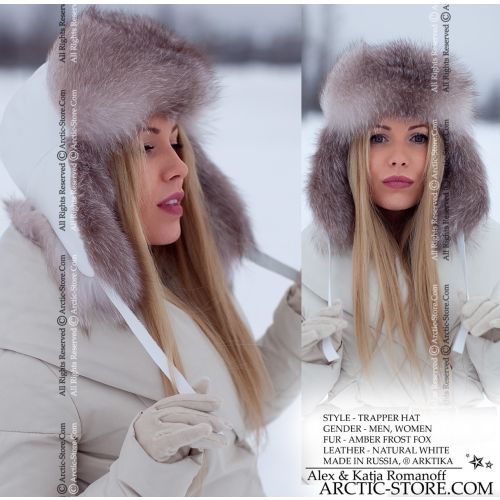
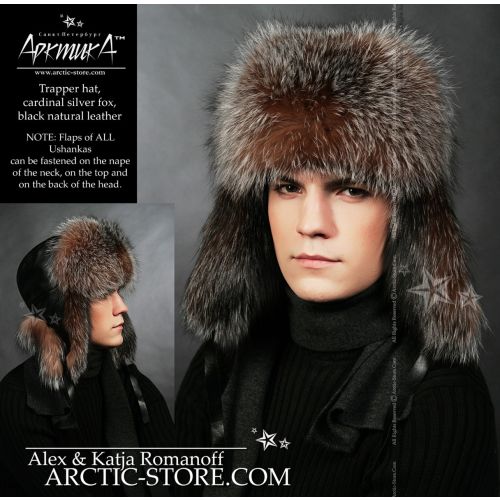
Silver Fox,
Polar (Blue) Fox,
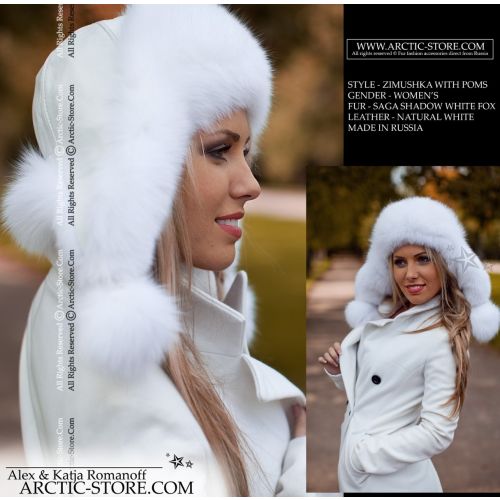
Arctic (Shadow) Fox,
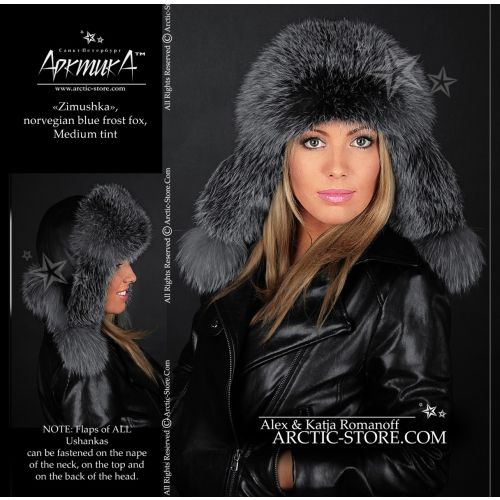
Blue Frost & Silver Grey Foxes,
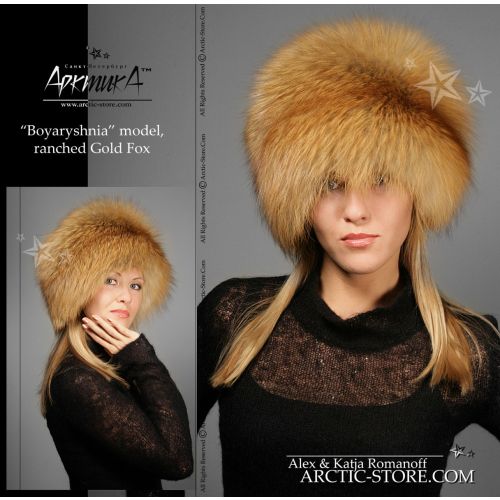
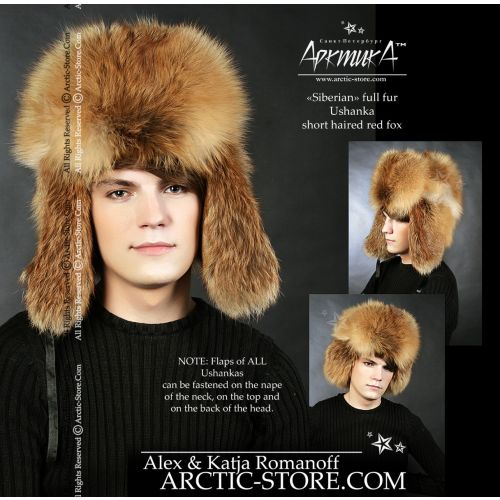
Gold, Gold Cross & Fire Foxes,
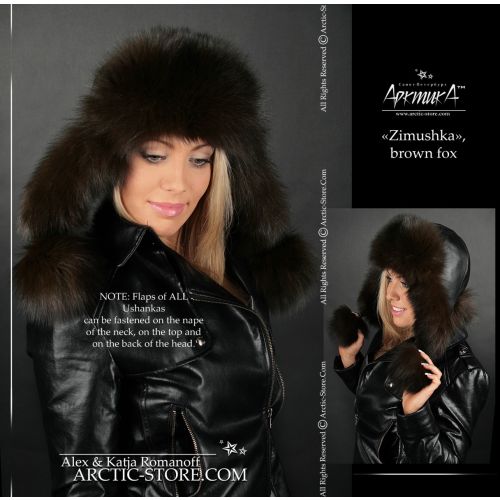
Red Foxes and
Rare Foxes differ in
structure, density, movement and coloration. A finished black, gold,
silver or blue shade alone does not identify the underlying fur.
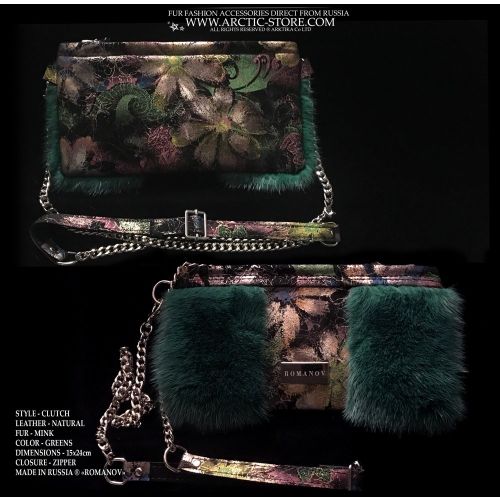
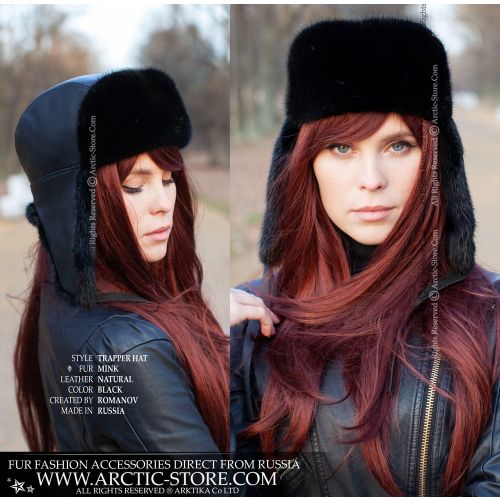
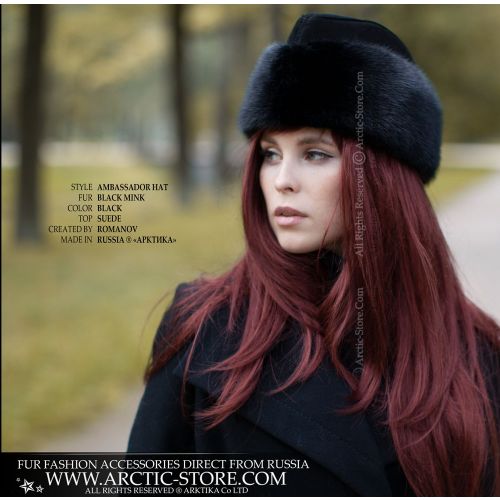
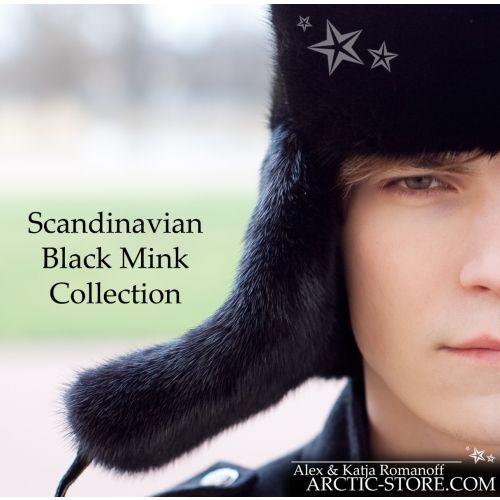
Mink Fur
Mink has a
shorter, closer and more compact appearance than long-haired fox-type
furs, making it useful where the design benefits from controlled volume.
Farmed and wild mink can also differ in size, uniformity and visual
character; deeper comparisons belong on the Mink page itself.
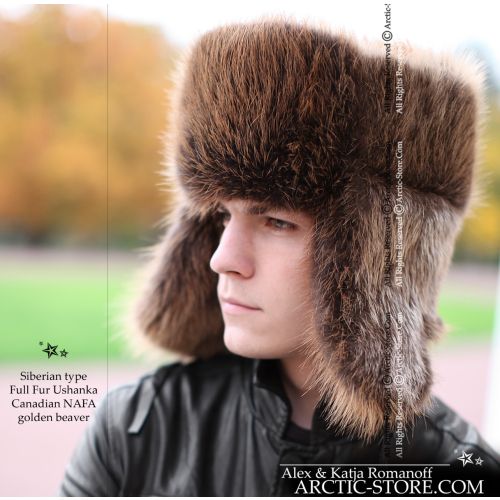
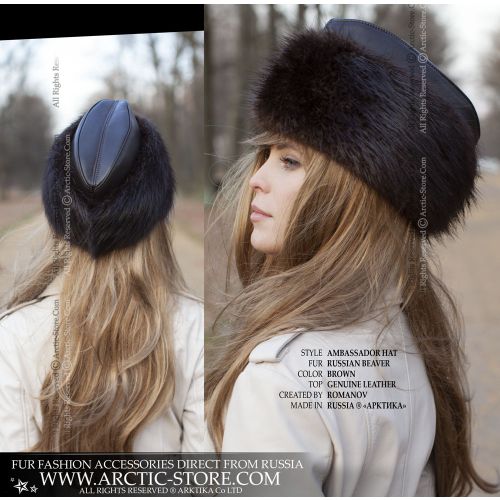
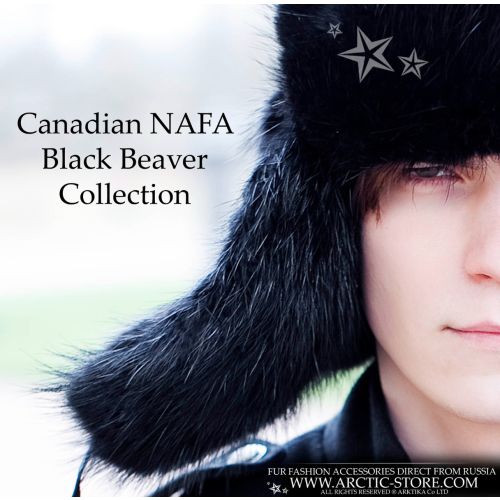
Beaver Fur
Beaver is dense and durable,
reflecting an animal adapted to frequent contact with water. Full,
unsheared fur keeps more of the natural guard-hair character, while
sheared beaver creates a shorter, smoother surface. The two presentations
behave and look distinctly different.
Sable and Marten
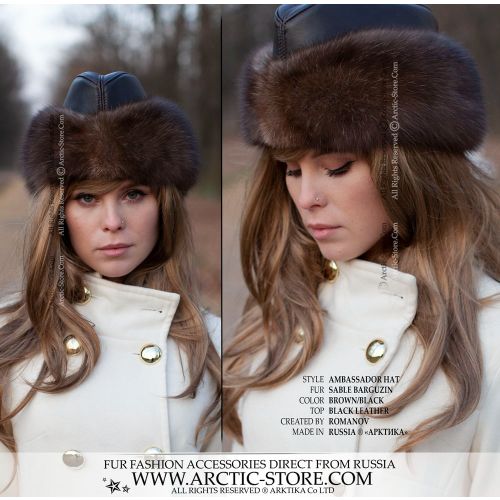
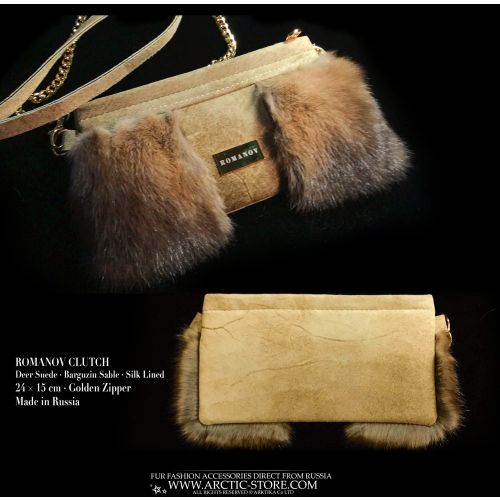
Sable and marten are closely
related but should not be treated as interchangeable names. Sable is a
classic prestige material of the Russian fur tradition; natural color,
silvering, movement, pelt size and the difficulty of matching several
skins into one coherent piece all matter.
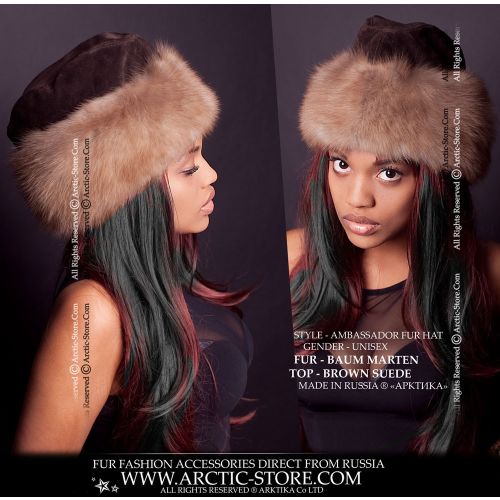
Marten has its own character and regional history. Their ranges overlap,
and a natural sable–marten hybrid known as a kidus can occur. Deeper
questions of sourcing and large multi-pelt matching belong on the
Sable · Marten page.
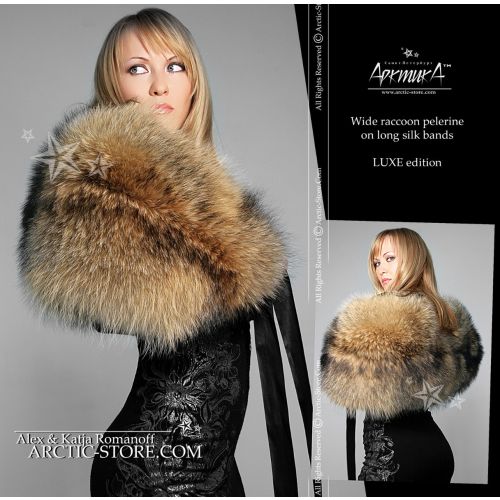
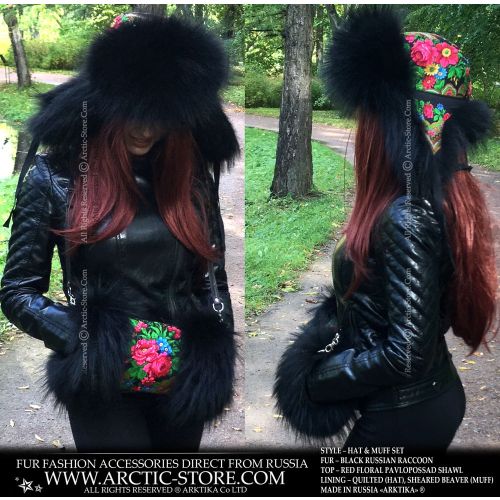
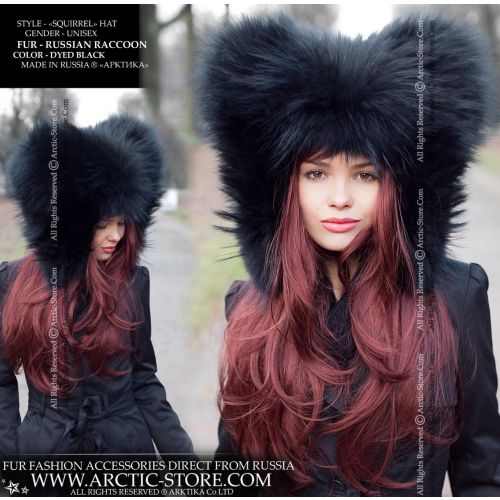
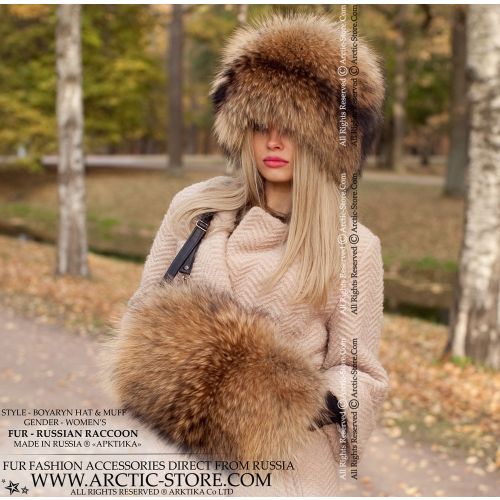
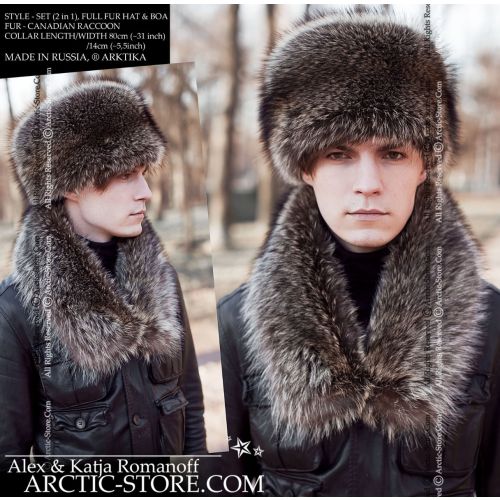
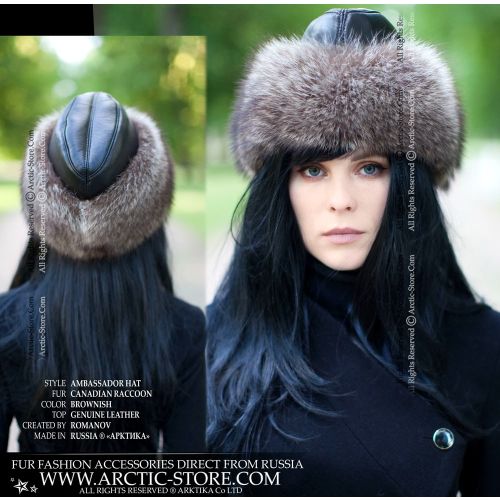
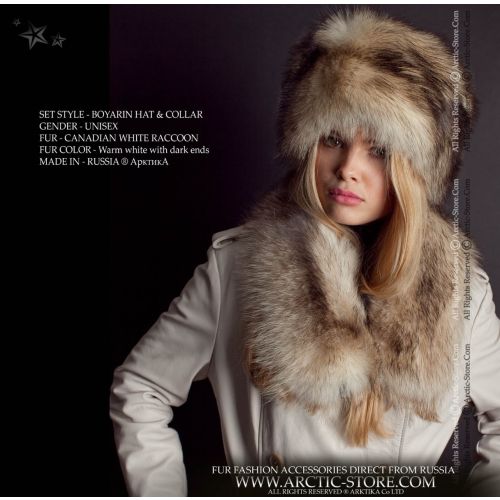
Russian Raccoon and Canadian Raccoon
Russian Raccoon
and
Canadian Raccoon
are not two grades of the same animal. Russian Raccoon is Arctic Store's
trade name for tanuki / raccoon dog, a canid known for long guard hair
and strong volume.
Canadian Raccoon refers to the North American raccoon, a different
species from a different animal family, with another balance of pile,
guard hair and tone. Neither should be described as the “real” or
“not real” raccoon; they are simply different natural furs.
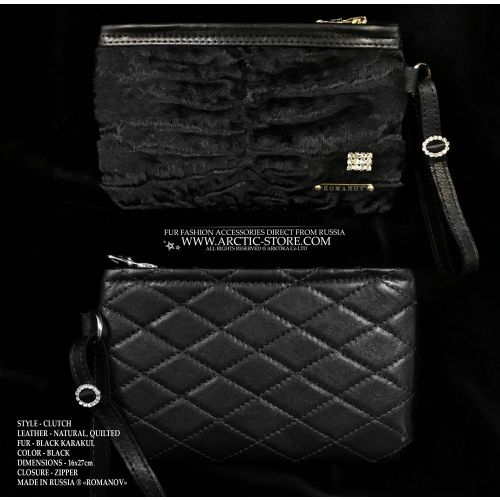
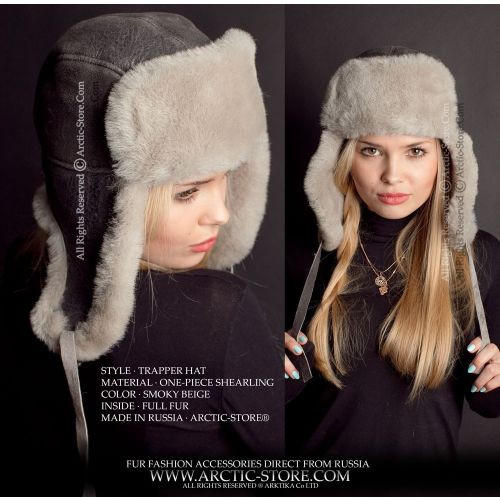
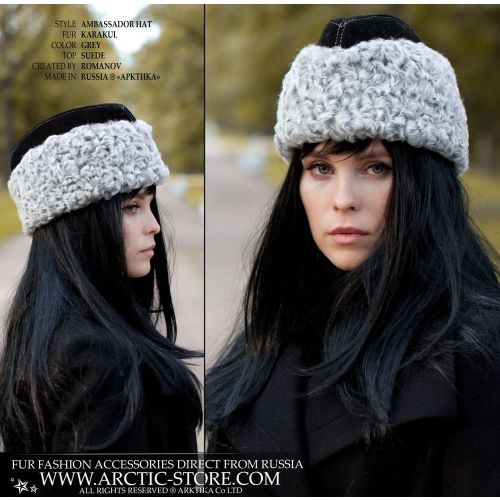
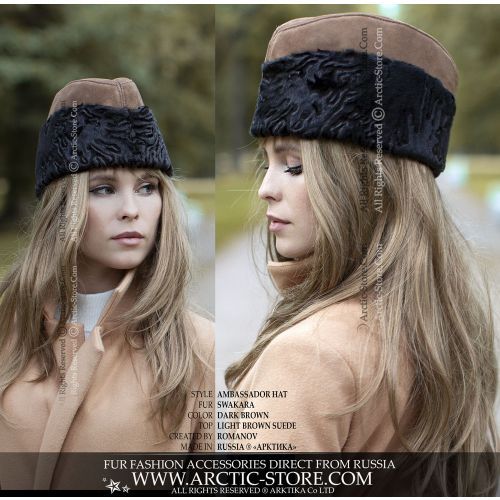
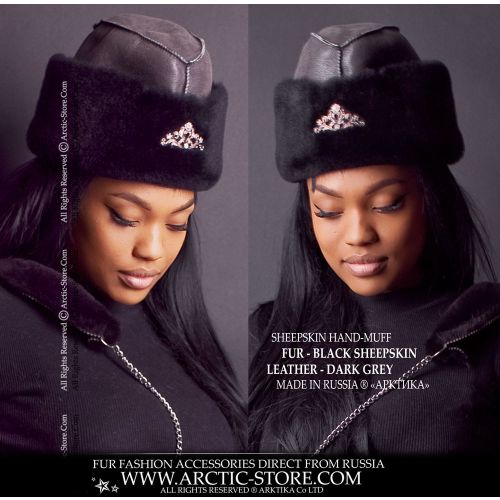
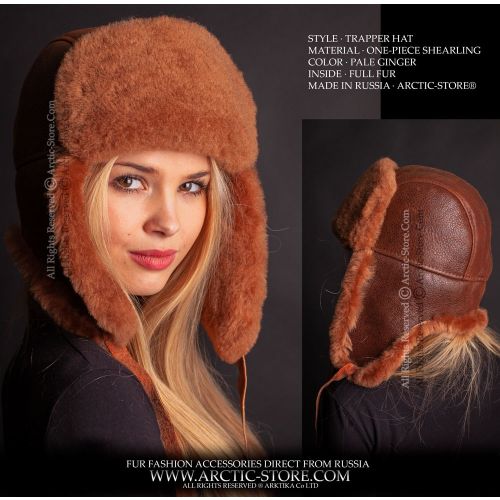
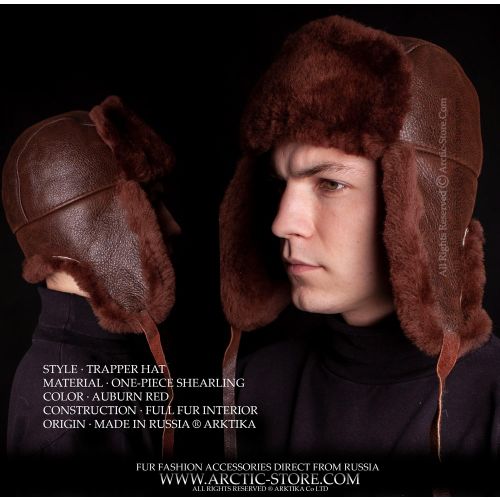
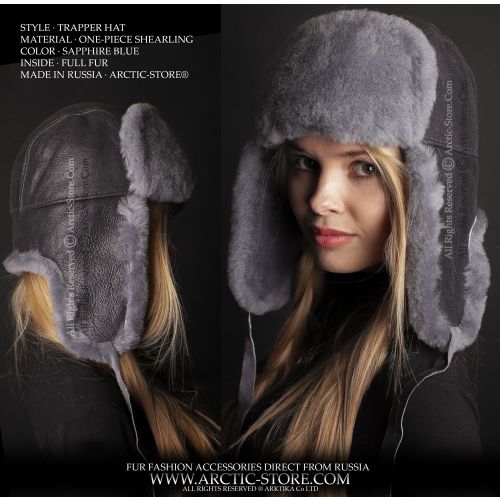
Karakul, Astrakhan, Sheepskin and Shearling
Karakul and Astrakhan
and
Sheepskin & Shearling
all come from sheep or lamb materials but are not the same retail
category. Karakul is chosen for its distinctive curl and moiré pattern;
shearling keeps the wool on dressed skin, usually cut to a more even
length.
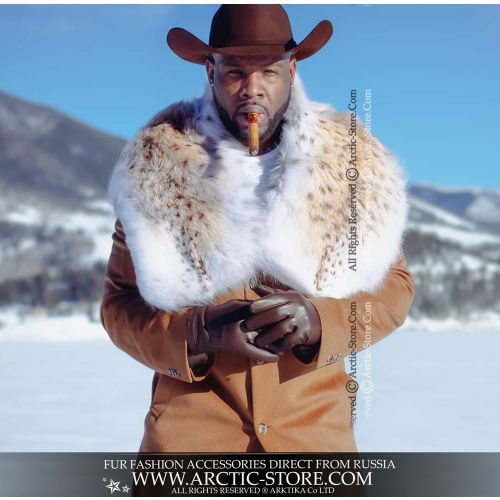
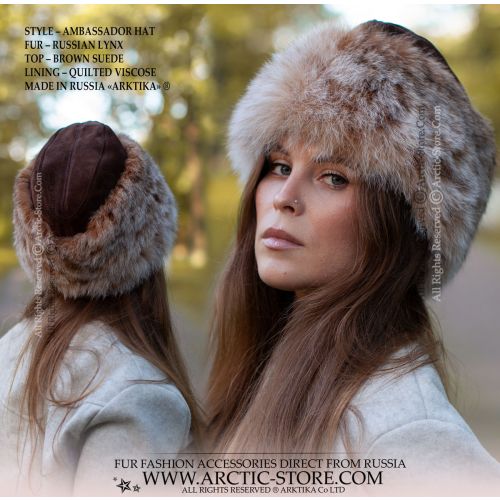
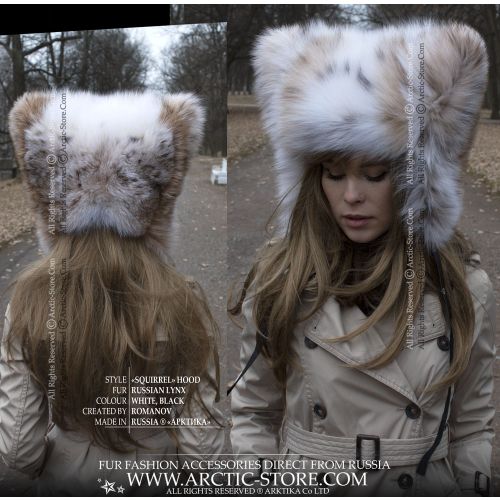
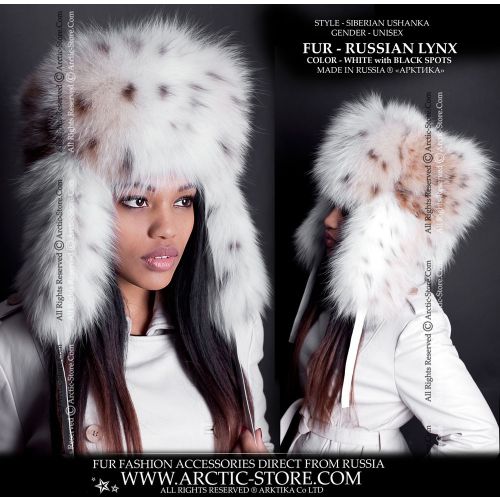
Lynx Fur
Lynx is
valued for its extraordinary natural pattern. The pale belly with
defined dark spots is especially prized, and placement matters because
a finished piece must combine compatible zones into one coherent
composition.
Why Workshop Matching Still Matters
Auction grading is only the first level of selection. A workshop still
has to decide which individual pelts truly belong together in one piece,
reading differences in hair direction, density, color and markings.
This matters especially for Arctic Store made-to-order work based on a
photographed reference. Natural fur is never perfectly identical from
one animal to another, so repeatability has to be created by selection,
cutting and placement rather than identical industrial raw material.
Choose the Fur That Fits the Piece
The useful question is not simply “Which fur is best?” but “Which fur is
right for this piece?” Consider climate, volume, guard-hair length,
softness, resilience, coloration and the scale of the item.
Use the fur-family links above to explore the material itself, or browse
By Color if your first
decision is visual shade.
At Arctic Store, fur type is part of the design itself — its structure,
natural pattern and movement shape the finished piece.