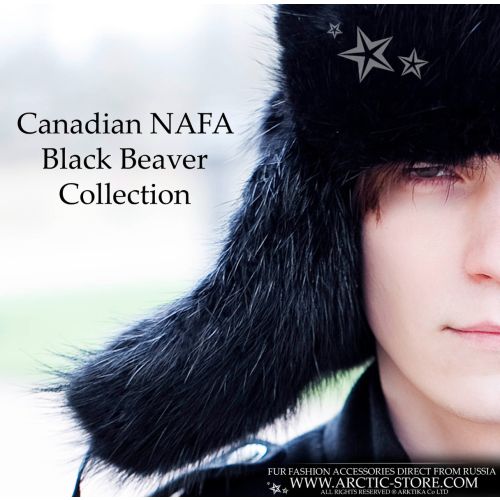
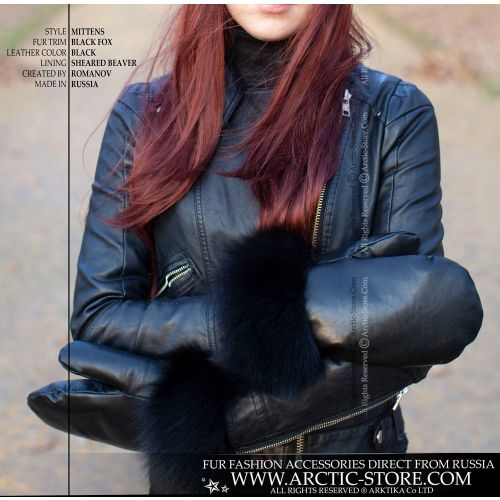
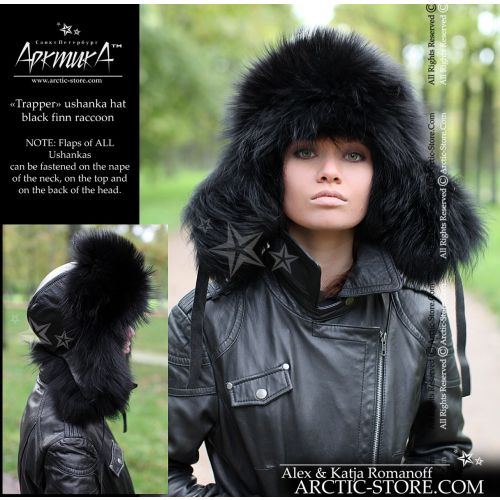
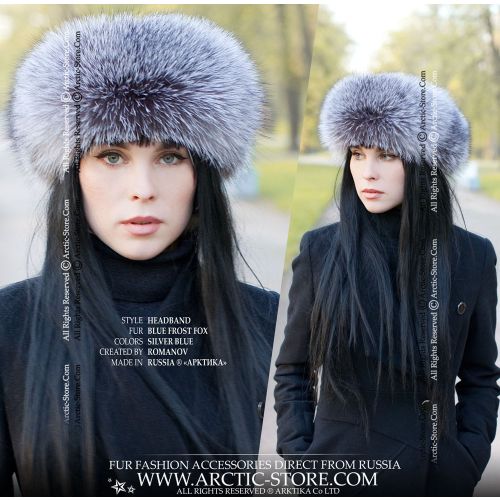
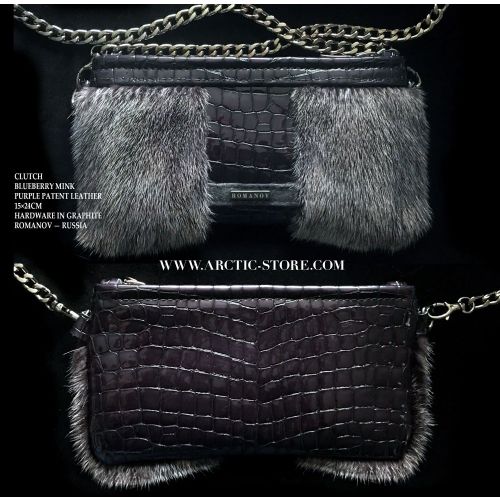
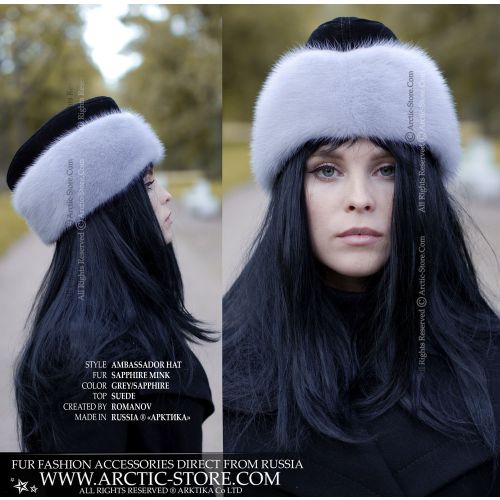
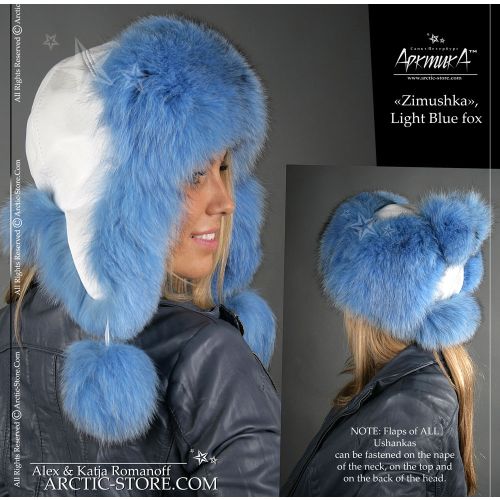
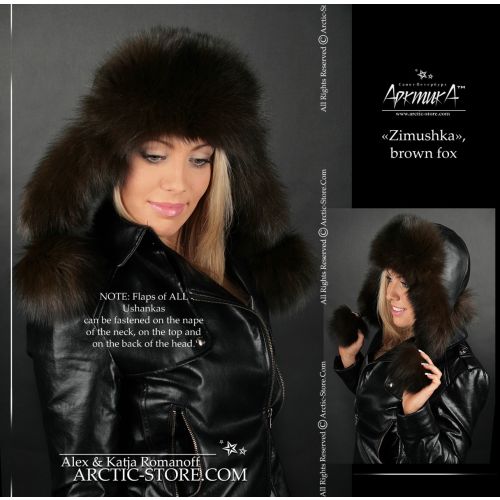
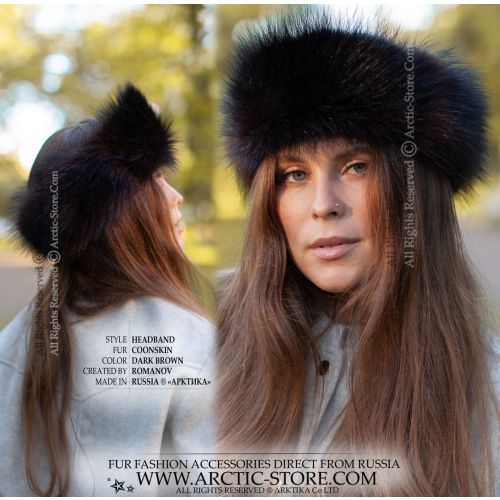
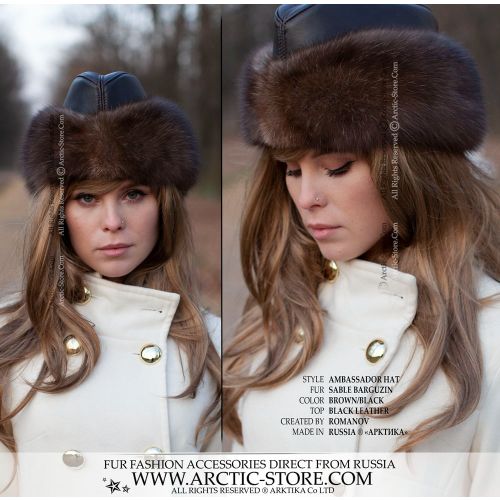
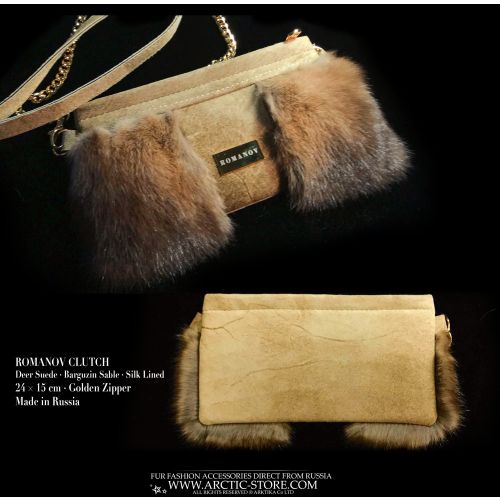
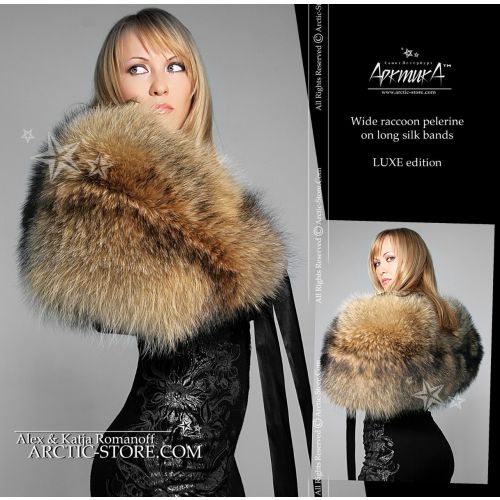
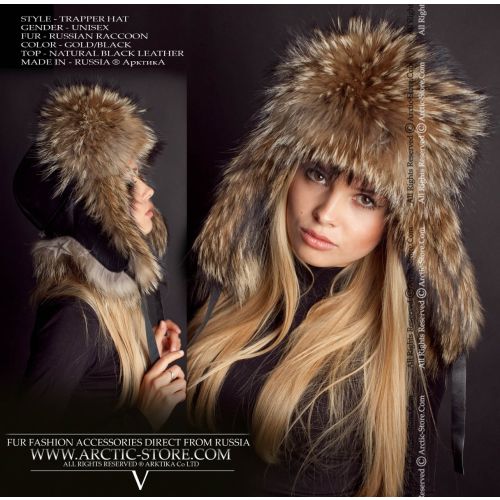
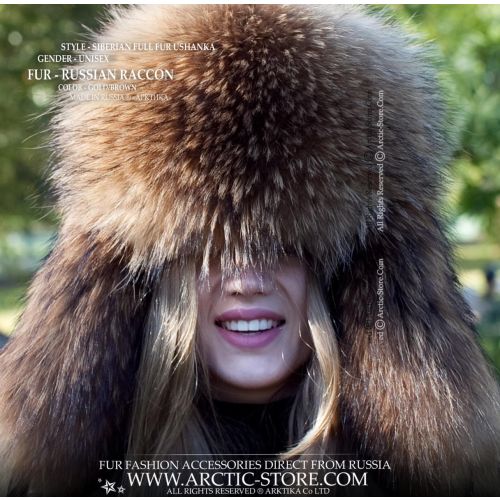
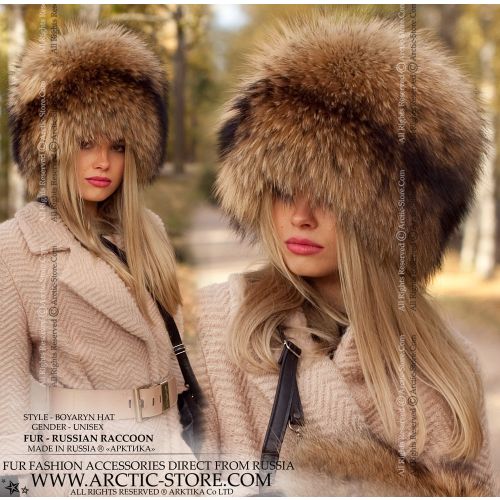
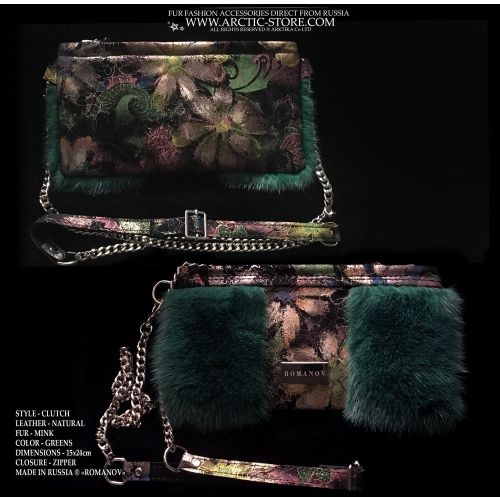
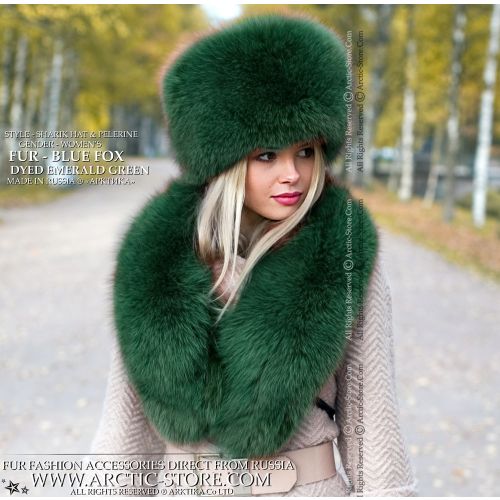
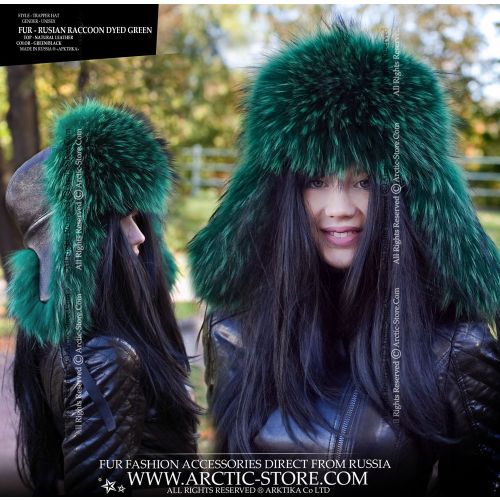
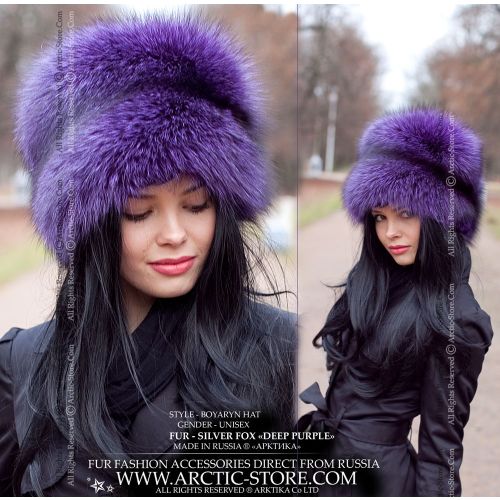
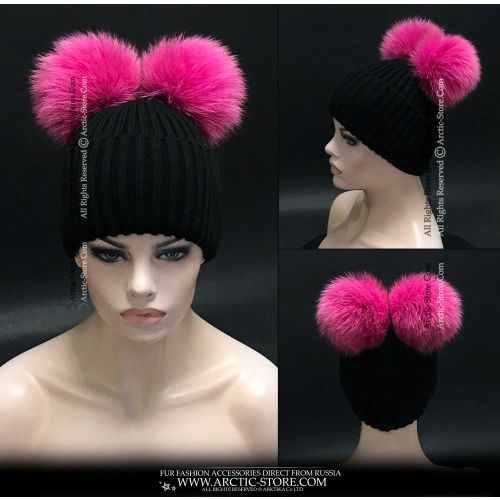
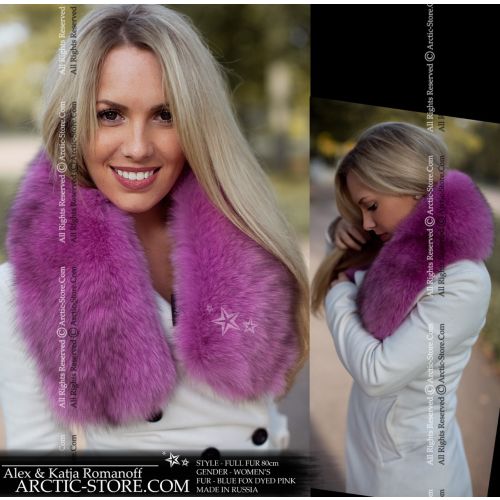
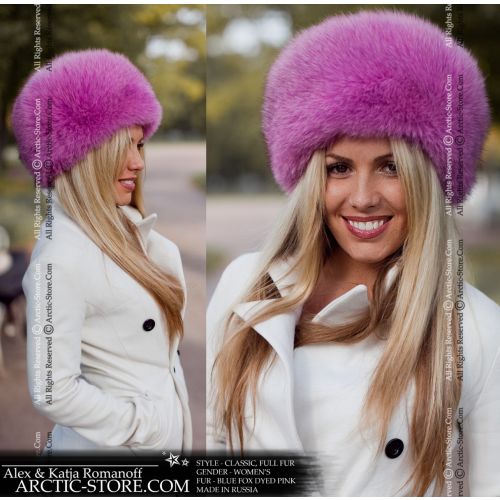
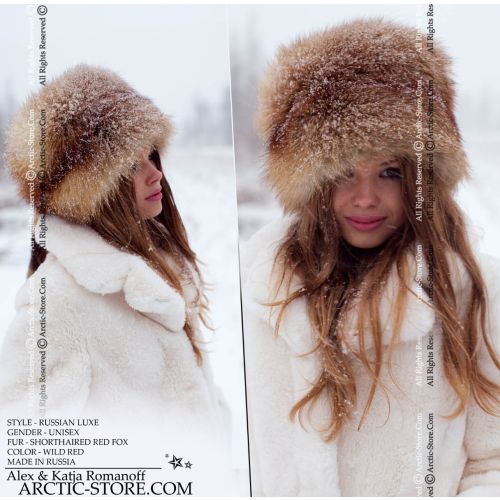
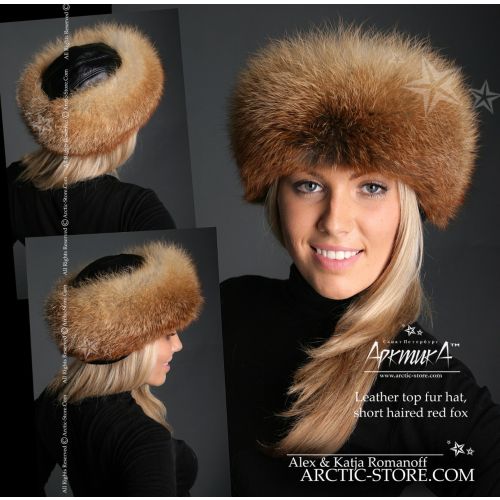
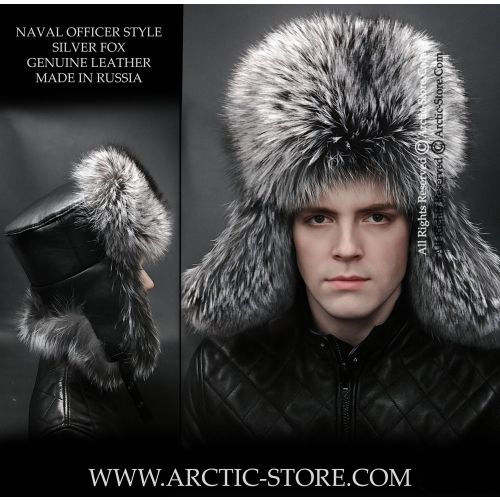
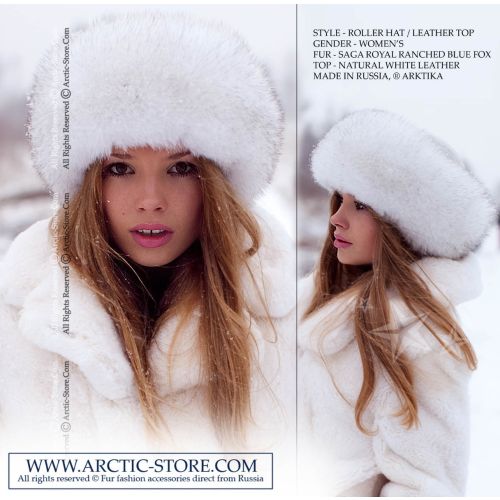
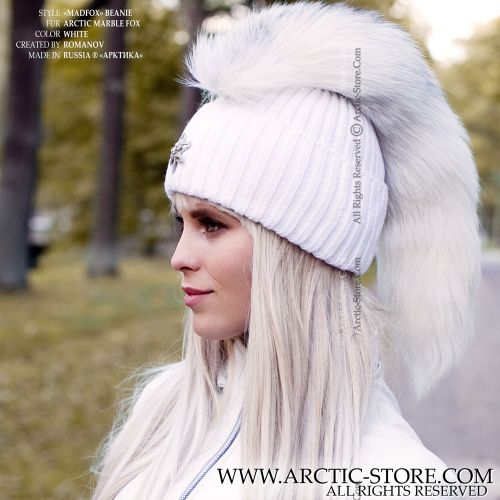
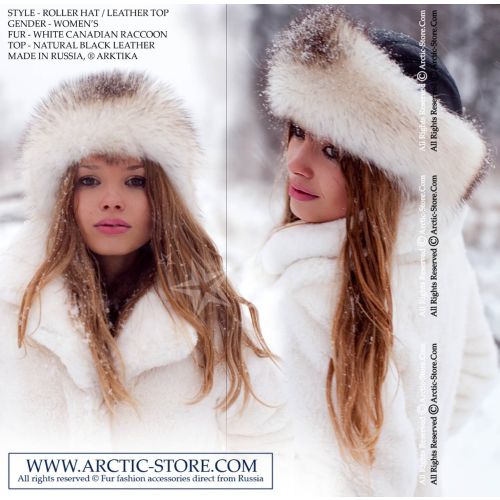
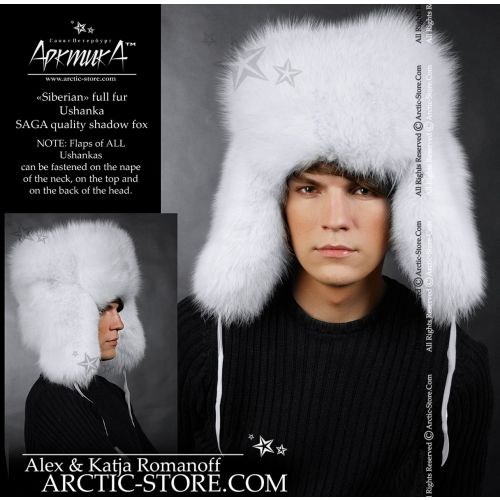
Choose a color above to browse matching pieces across different fur families. Here the visible fur color is the organizing principle.
Find Fur by Visible Shade
Choose by Color, Then Choose the Fur
Sometimes the fur itself is the first decision. Sometimes the color is.
This page is for the second case: when you already know the shade you want
to see in the finished piece.
The categories here are organized by visible color, not by fur species.
A black, white, silver, blue or gold group can therefore contain several
different fur types. If material structure matters more than shade, browse
By Fur Type instead.
Broad Color Families, Not Exact Shade Names
Arctic Store intentionally uses a small number of practical color
families rather than creating a separate category for every visible
tone. The goal is to get you into the right visual territory quickly.
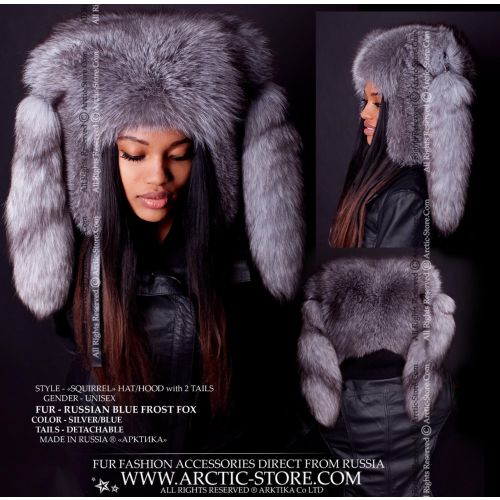
Blue, for example, can include pale icy blue, medium
blue, blue-grey and much darker navy-like shades.
Brown can range from lighter warm brown to deeper
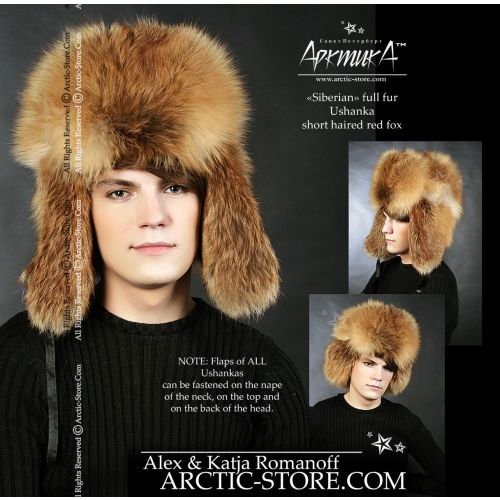
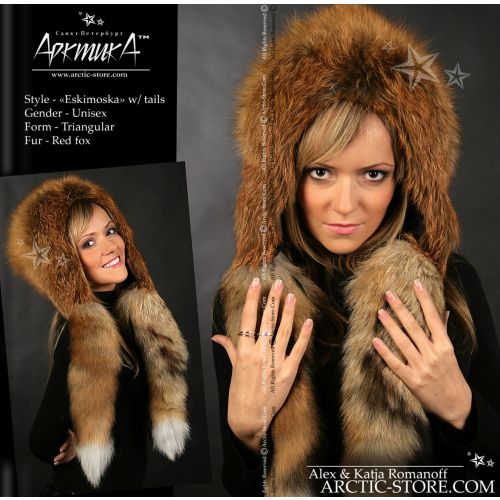
chocolate tones. Gold can include honey, amber and
warmer golden-brown presentations, while Silver can
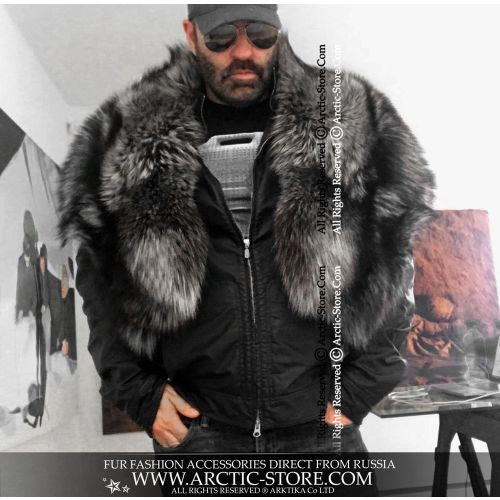
move from pale grey to strong black-and-white contrast.
These are browsing families, not laboratory color definitions. The
individual product image and description show the exact shade.
Color Does Not Tell You the Fur Type
A finished shade may be natural, selectively bred, lightened, dyed or
created through a combination of those processes. Two pieces can belong
to the same color family and still feel very different because guard
hair, underfur density, volume, softness and movement come from the
underlying fur.
That is why color works best as a visual starting point. Choose the
shade family first, then compare the material and product shape inside
that group.
The Same Color Can Read Differently on Different Furs
A compact dark fur creates a different surface from a long-haired black
or charcoal fur. A pale white or cream shade can look crisp and graphic
on one material and softer or more cloud-like on another. Natural
markings, pile length and treatment can make the same broad color feel
warmer, cooler, lighter or deeper.
The cards therefore narrow the visual direction without pretending
that every item inside a color category is identical.
Use Color to Match a Look
Shopping by color is especially useful when you are matching an
existing coat, boots, handbag or other accessory, replacing an older
piece, or building a coordinated set such as a hat with a muff,
headband or mittens.
Neutral families such as beige, brown, black, silver and white are
useful for tonal matching. Gold, red, green, blue and purple or pink
can be used when the color itself is intended to carry more of the
visual emphasis.
When to Switch to By Fur Type
If your next question is about warmth, guard-hair length, density,
softness, weather behavior or how a material moves, color is no longer
the only decision. Use By Fur Type to compare
the underlying fur families themselves.
By Color answers: “What shade do I want to see?”
By Fur Type answers: “What material do I want the
piece to be made from?” Both matter: color sets the visual direction,
while the fur itself shapes much of the structure and character of the
finished piece.